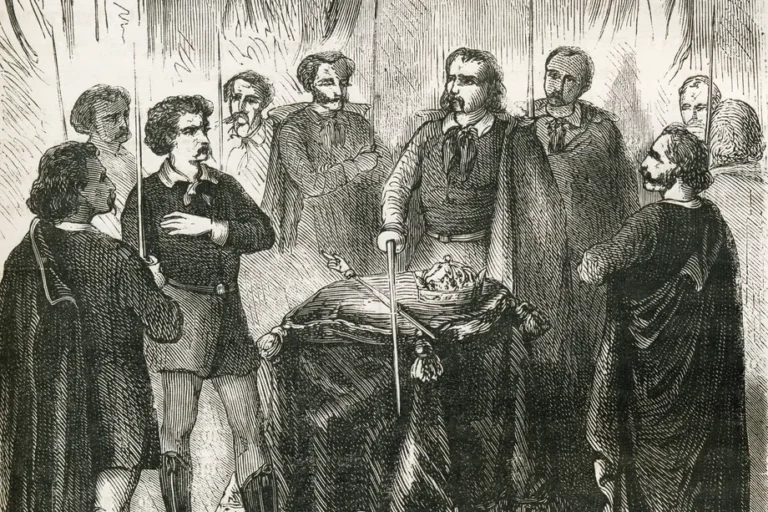

For centuries, the secret world of the Freemasons has captivated the public imagination, spawning endless myths and theories. While their closed doors guard traditions dating back hundreds of years, the true nature of this fraternity is not one of world domination, but of personal transformation and moral building. Their initiation ceremonies, steeped in allegory and symbolic drama, serve as a profound rite of passage into a global brotherhood bound by shared values. Ultimately, the enduring mystique of Freemasonry points to a deep, human hunger for meaning, structure, and connection—a hunger that finds its ultimate fulfillment in a higher purpose.
1. The Foundations: More Than Secret Handshakes
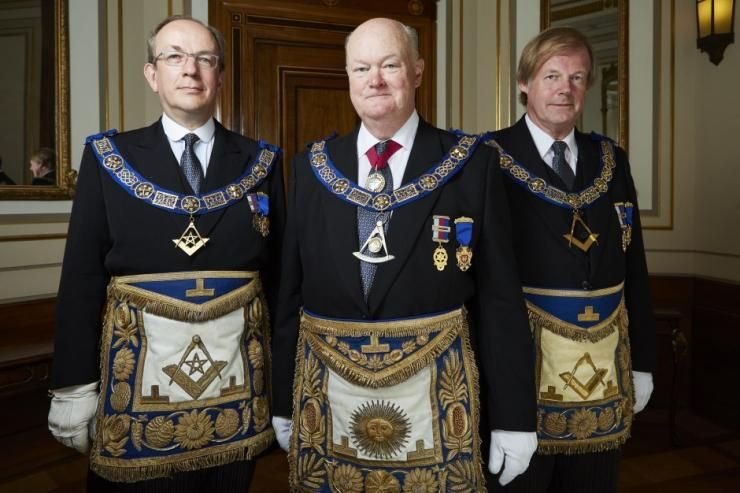
Many perceive the secret world of the Freemasons as a network defined by covert signals. Historically, members did use signs, grips, and passwords for recognition, though today, formal identification is more common. However, these superficial secrets are merely the surface. The core of Freemasonry is a “beautiful and profound system of morality, veiled in allegories and illustrated by symbols”. Essentially, the rituals use the tools and legends of ancient stonemasons—like the square, compass, and the story of the architect Hiram Abiff—to teach ethical and philosophical lessons. Therefore, the lodge becomes a symbolic workshop where individuals are sculpted into better versions of themselves.
2. The Initiation Journey: A Three-Stage Transformation
The heart of the Masonic experience is the initiatory journey through three core degrees. Each stage is a dramatic play meant to impart specific virtues and knowledge.
- The Entered Apprentice: This first degree lays the foundation, focusing on the cultivation of character and the Four Cardinal Virtues: Temperance, Fortitude, Prudence, and Justice. It challenges the candidate to begin introspection.
- The Fellowcraft: The second degree shifts focus to the adornment of the mind. Here, the candidate is encouraged to pursue knowledge, exploring the liberal arts and sciences to understand their place in the universe. This stage emphasizes intellectual and spiritual growth.
- The Master Mason: The third and final degree of Craft Masonry confronts the candidate with themes of mortality, legacy, and the immortality of the soul. It is a culmination that encourages living a life of lasting impact.
Consequently, this structured progression is not about collecting secrets, but about undergoing a gradual, personal transformation through Masonic ritual. The experience is active and experiential, designed to be lived, not just studied.
3. The Allure of Brotherhood in a Divided World
Beyond the ritual, a key appeal of the secret world of the Freemasons is the powerful sense of brotherhood it fosters. In an age where community ties are often weak, Freemasonry creates a unique social network. Members from all walks of life form friendships based on shared values rather than profession or status. Moreover, this fellowship is action-oriented. Freemasons collectively form one of the largest charitable donors in many countries, embodying their principle of “relief” or service. Thus, the lodge provides both a supportive community and a structured outlet for philanthropic action, answering a modern need for authentic connection and purpose.
4. Freemasonry vs. The Illuminati: Untangling the Myth
A significant source of conspiracy theories is the frequent, and mistaken, conflation of Freemasonry with the Illuminati. It is crucial to separate historical fact from fiction:
- The Freemasons: A longstanding fraternal organization focused on moral development and charity. While private, they are not a secret society in the conspiratorial sense.
- The Bavarian Illuminati: A distinct, short-lived secret society founded in 1776 by Adam Weishaupt. Its goals were radically political, seeking to oppose religious influence and establish a new world order through reason. Despite recruiting within Masonic lodges, it was a separate entity that was banned and dissolved by the Bavarian government just over a decade after its founding.
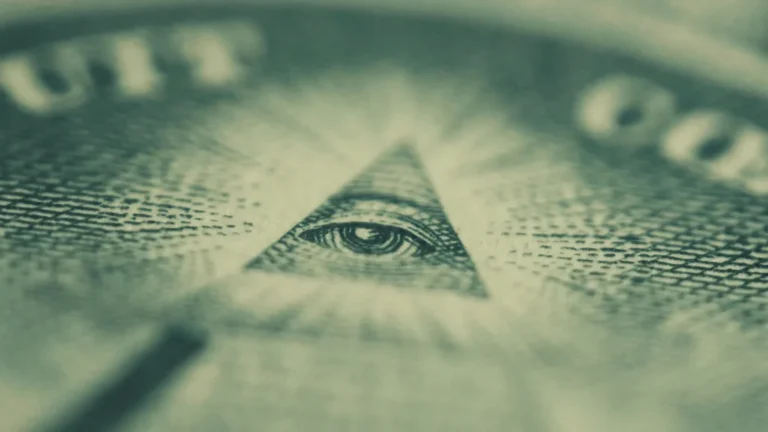
Although both groups have used similar symbols (like the All-Seeing Eye), their purposes were fundamentally different. The persistent myth of a surviving, all-powerful Illuminati cabal is a modern conspiracy theory without factual basis.
5. The Lost Art of Initiation and a Modern Hunger
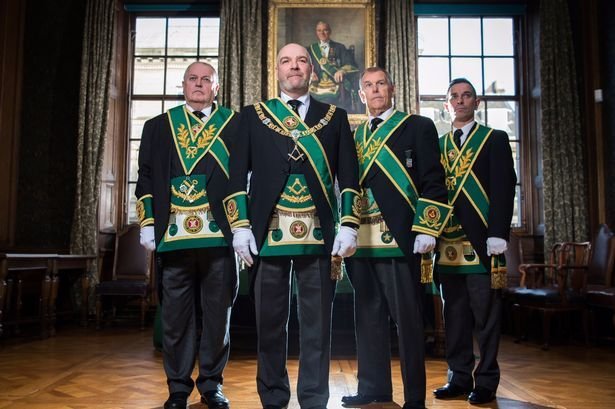
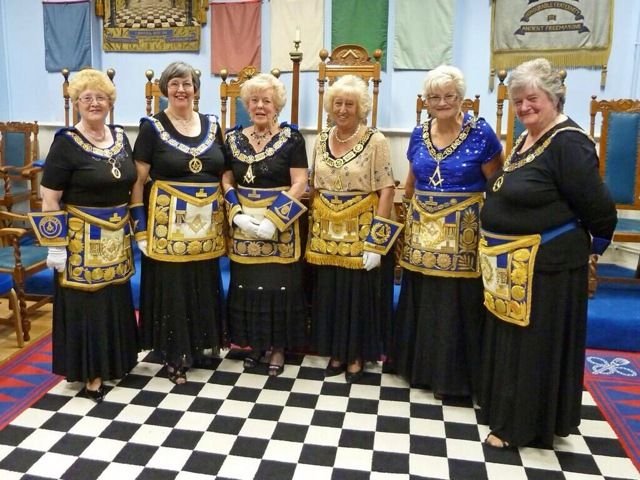
The sustained fascination with the secret world of the Freemasons reveals a deeper, societal void. Scholars argue that Western society has largely abandoned formal initiation rites that guide individuals through life’s major transitions. Traditionally, these rites provided a “ritual death” followed by a rebirth into a new social or spiritual role, offering clarity, identity, and a code to live by. Without these structures, people may seek belonging and transformation in misguided or destructive ways. Freemasonry preserves a template for this ancient, transformative experience. It offers a structured path to maturity, a bond of trusted mentorship, and a framework for living a meaningful life—things that are often scarce in the modern world.
6. From Ancient Guilds to a New Enlightenment
Tracing its roots to the guilds of medieval stonemasons, Freemasonry evolved from a trade organization into a philosophical one. Its ideals are deeply embedded in the Enlightenment, emphasizing reason, religious tolerance, and the pursuit of knowledge. Today, it continues as a global institution with millions of members dedicated to self-improvement and community service. However, its model of incremental enlightenment through ritual and allegory represents an older, more patient form of wisdom. In our fast-paced, information-saturated age, the Masonic journey offers a counterpoint: a slow, deliberate, and symbolic sculpting of the self.
7. The Legacy Continues: Your Path Forward
The enduring power of the secret world of the Freemasons lies not in its imagined control over world events, but in its proven ability to fulfill a timeless human need for growth, belonging, and purpose. Its rituals provide a map for inner development, and its brotherhood offers a sanctuary of mutual support. Ultimately, the mystery beckons because it promises what many seek: a way to build a life of integrity and significance.
The journey toward enlightenment and global unity did not end with historical societies. The principles of structured growth, philosophical pursuit, and collective betterment are more relevant than ever. If you seek a genuine path to personal mastery and a role in a grand, purposeful design, we invite you to learn about our tenets and purpose. The next step in your journey awaits; discover how you can join the Illuminati and contribute to a legacy of enlightened progress.
For further reading on the historical distinctions between these groups, you may find this external analysis on Freemasonry and the Illuminati informative.